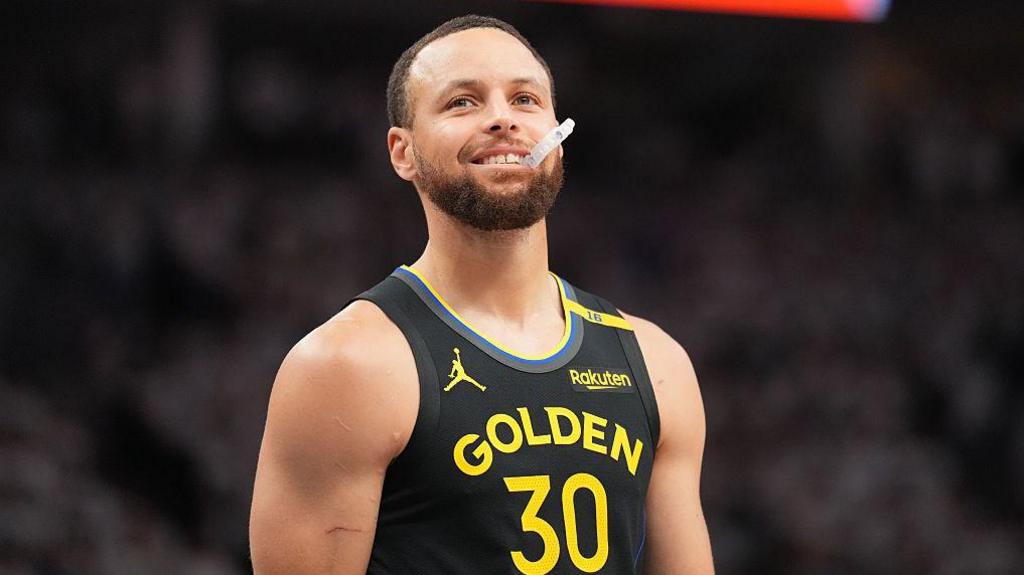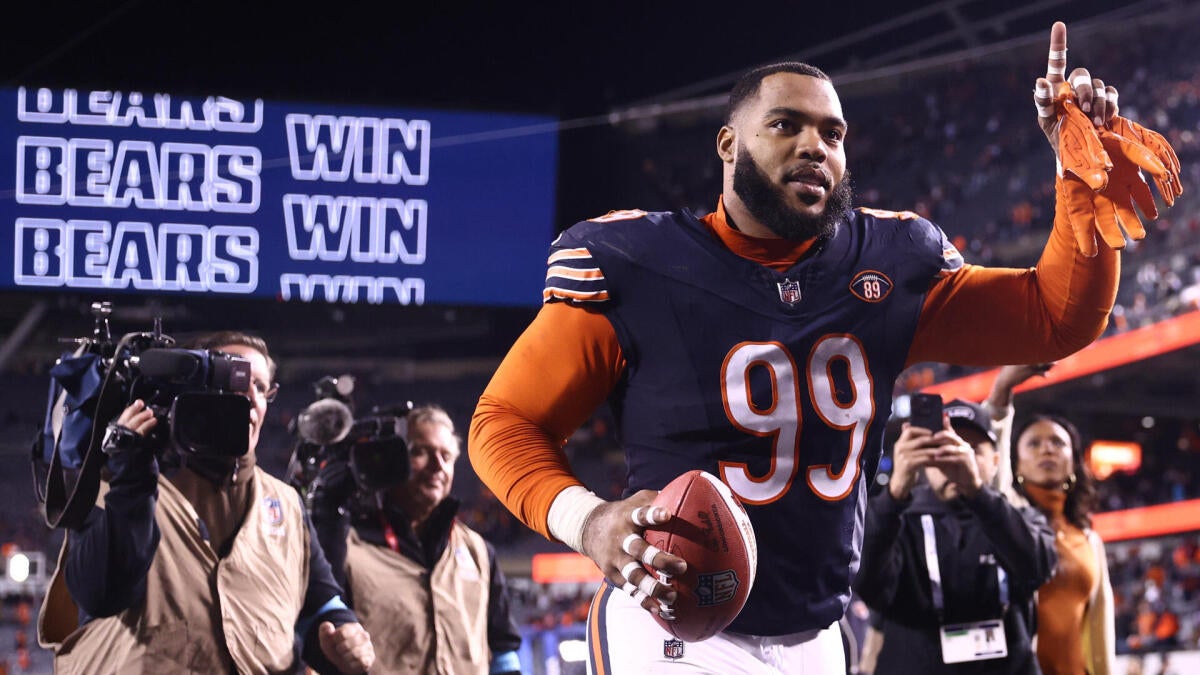
The NFL trade deadline has transformed from a quiet afterthought into one of the league's most hectic periods, with a surge in in-season trades becoming the new normal. Less than a decade ago, single-digit trades during the regular season were common, and deadline day moves could be counted on one hand. That reality has shifted dramatically: 24 hours before the 2026 deadline, 10 in-season trades had already been completed, and the final hours before the 4 p.m. ET cutoff on Nov. 10 were expected to add significantly to that total.
Record-Breaking Activity
Last season set a modern benchmark with 22 trades from the start of the regular season through the deadline, the most since at least 1995 according to NFL Research. On deadline day alone, 12 players and 14 draft picks changed hands. This explosion continues a trend that began in the mid-2010s; only once between 2010 and 2017 did the league record 12 or more in-season trades, per Spotrac, but that figure now represents the low-water mark every year since 2018.
Why In-Season Trades Used to Be Rare
Structural hurdles long suppressed trade volume. NFL contracts often spread bonuses over multiple years, creating dead-money complications when a player is moved. The hard salary cap forces both teams to remain under a firm limit, unlike the NBA's exceptions or MLB's unrestricted spending. Football's complexity — massive playbooks, critical timing between quarterbacks and receivers, and 11-player coordination — makes midseason integration difficult. The 17-game schedule also keeps more teams in playoff contention deeper into the year, reducing the pool of willing sellers, while the high value of draft picks and the ease of releasing fringe players further discouraged deals.
Calendar Changes Shift Contention Windows
Until 2011, the deadline fell after Week 6, well before the midway point, leaving general managers uncertain about their team's playoff prospects. The NFL and NFLPA moved it back two weeks to after Week 8 in 2012, and the addition of a 17th regular-season game pushed it another week to the Tuesday after Week 9 — effectively the midseason mark. This clarity helps teams like the Indianapolis Colts, who were 2-4 after six games but fell to 2-7 after nine, prompting them to trade perennial Pro Bowlers Quenton Nelson and DeForest Buckner.
The "F Them Picks" Mentality
A philosophical shift has been equally impactful. Los Angeles Rams general manager Les Snead popularized an aggressive approach, trading premium draft capital for immediate-impact stars. His blockbuster moves — including trading six picks to select first overall in 2016, acquiring Brandin Cooks, Jalen Ramsey, Matthew Stafford, Myles Garrett, and Trent McDuffie — extended the Rams' championship window and delivered a Super Bowl title. This model has spread across the league; Jacksonville Jaguars GM James Gladstone, a Snead protégé, executed two deadline-day trades swapping draft picks for instant contributors.
General Managers Get Creative with Pick Swaps
Even as picks are traded more freely, front offices still value them highly. Creative mechanisms like pick swaps allow teams to acquire talent while retaining some draft equity — for example, sending a second-rounder and receiving a Day 3 pick back along with a player. Compensatory picks add further flexibility: a team can rent a veteran on an expiring contract for a mid-round pick, knowing they may recoup that pick if the player leaves in free agency. Gladstone leveraged this by sending a conditional 2028 sixth-rounder (which could become a 2027 pick) to the New Orleans Saints for Davon Godchaux, effectively trading a pick he did not yet own.
Is This the New Normal?
The surge in deadline activity appears durable. Schedule changes have made midseason evaluations more reliable, and general managers operate in a "what have you done for me lately" environment that rewards aggression. With the cat out of the bag, the trade deadline's frenetic pace is likely a permanent feature of the NFL calendar.