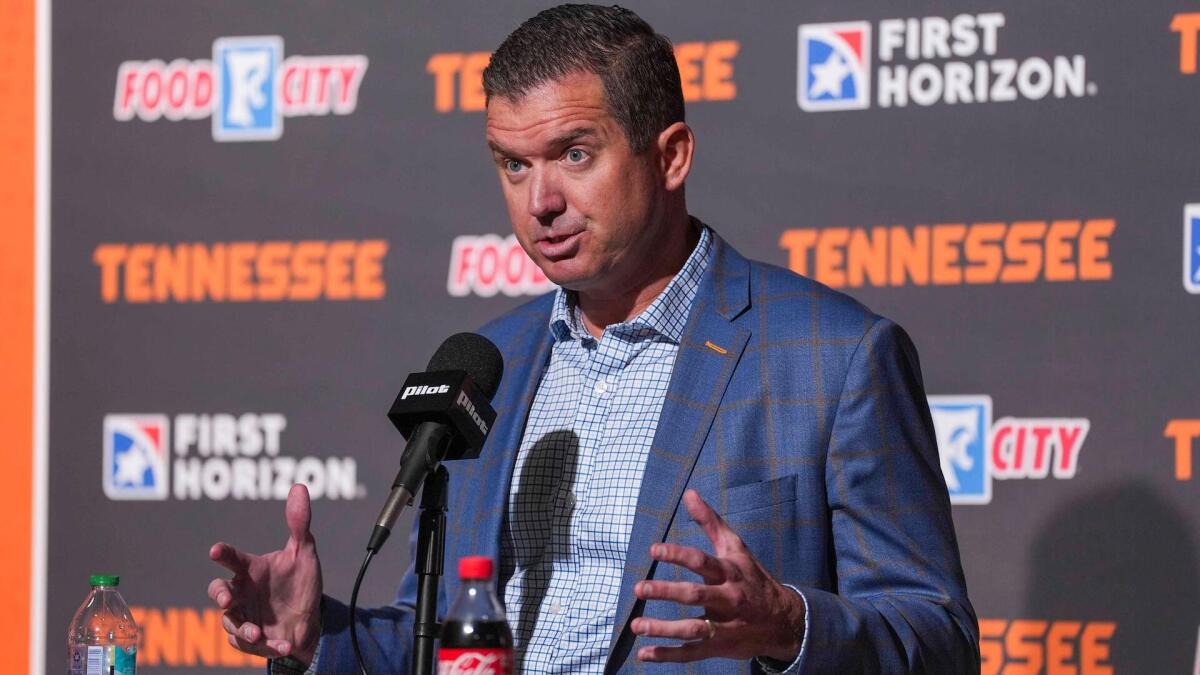
Tennessee men's basketball players and the players' association Athletes.org unveiled the first collective bargaining term sheet in college sports on Tuesday, proposing a framework that would let athletes negotiate their own salary cap, require a spending floor, and penalize schools that cheat the system by stripping up to 100% of their conference payouts. The historic document arrived the same day a key supporter of the Protect College Sports Act (PCSA) urged the House to pass the bill and criticized the collective bargaining effort as driven by agents seeking to control a union.
Competing Visions for College Sports
The PCSA, which passed the Senate 77-22 on September 28, needs House approval by December 17 before the new Congress is sworn in on January 3. If not signed by then, the process restarts under a different political landscape after Democrats won control of both chambers. The term sheet is not a binding contract; Athletes.org stated Tennessee's administration "has not agreed to or endorsed these terms," though athletics director Danny White endorsed the concept, calling collective bargaining "a proven model that works across all of professional sports."
Term Sheet Details
Three elected player representatives — graduate student Tyler Lundblade, junior Campbell Duncan, and sophomore DeWayne Brown II — built the proposal with Athletes.org over the summer. Key terms include a single athletic services agreement replacing revenue sharing and school-affiliated NIL deals; a bargained salary cap with a required spending floor and guaranteed minimum pay; postseason, performance, and veteran bonus pools; injury protections guaranteeing 100% of pay for injured players with lifetime medical coverage for catastrophic injuries; a 15-day transfer window opening after the national championship game; enforcement penalties including loss of conference payouts and coach fines; agent certification with fees capped at 5%; and academic provisions for degree completion if athletics interferes with a player's major. The two sides compromised on NIL oversight, agreeing to a two-year third-party review system with intention to sunset it.
Legal Hurdles and the Employee Question
The central legal dispute revolves around whether athletes can be considered employees. Critics, including Yankees president Randy Levine and Texas Tech regent Cody Campbell, argue that public universities cannot bargain collectively without state legislative authority, citing the National Labor Relations Act's exclusion of state entities. Athletes.org counters that a private, multistate entity funded by member schools would employ the athletes, a structure vetted by litigators including Jim Quinn. The PCSA remains neutral on employee status after Senator Ted Cruz dropped a provision barring it due to Democratic opposition. The bill also grants targeted antitrust protection to schools and conferences, which Athletes.org says only collective bargaining currently provides.
Political Clock Ticking
The PCSA faces opposition from both parties: the Congressional Black Caucus condemned it over HBCU funding and lack of employment rights, while 21 House Republicans objected to conference caps and league-switching waiting periods. With a slim Republican majority in the lame-duck session and government funding expiring December 11, a lobbyist told USA Today the bill is effectively dead. SEC commissioner Greg Sankey acknowledged "elections have consequences" and said the SEC is preparing for a future with or without the bill. Athletes.org is playing the long game, with officials from other universities already contacting the group. Tennessee's football team has privately voted to have Athletes.org represent it, pending season's end. The next step, Lundblade said, is "literally taking this to the SEC and trying to build this thing."


