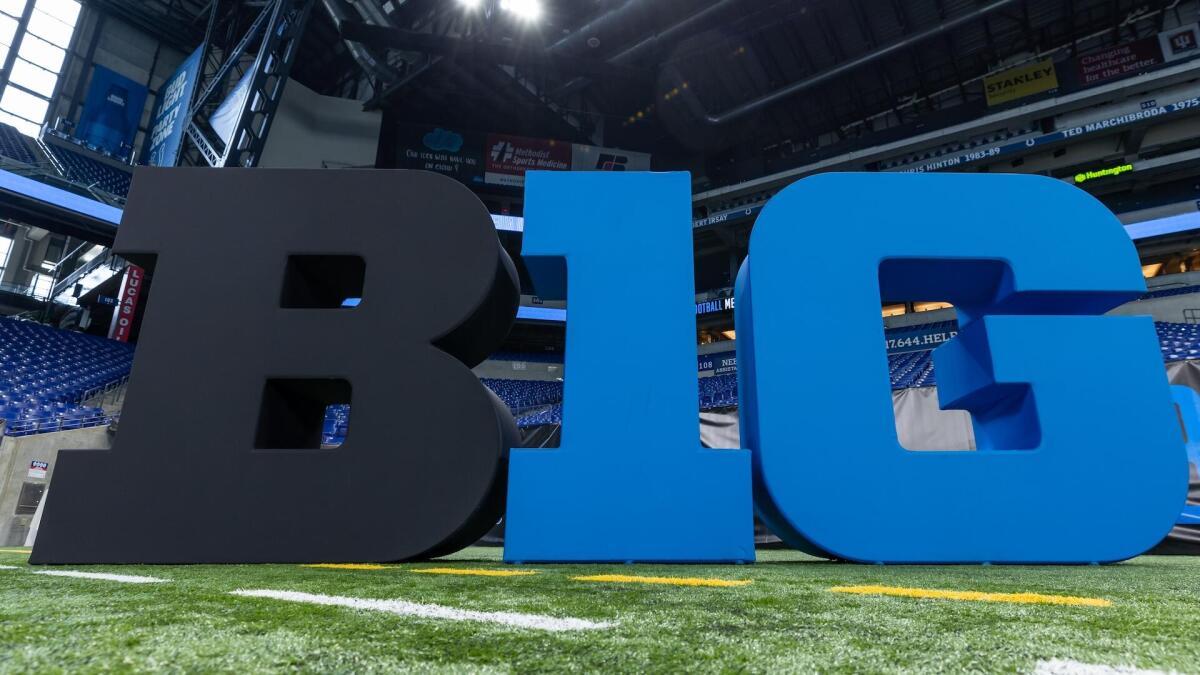
On Wednesday, the Big Ten Conference announced a $49 million name, image, and likeness (NIL) spending cap for all member institutions, effective immediately. The policy mirrors the framework proposed in the Protect College Sports Act (PCSA), which is awaiting a vote in the U.S. House of Representatives.
Spending cap details
The cap splits spending into two buckets: a $21.6 million revenue-sharing cap set by the House settlement, and a $27.5 million cap on third-party NIL spending, which includes collectives. The Big Ten Council of Chancellors stated that the rule allows institutions to plan and budget rosters approximating the act's economic structure while awaiting its passage.
Protect College Sports Act provisions
Under the PCSA, schools could spend roughly $50 million on athlete payments. The House settlement money would remain at $21.6 million, with an additional retention fund of up to $22.5 million to keep players and slow transfer portal activity, plus $5 million reserved specifically for women's and Olympic sports.
Uncertain legislative future
The House is on recess through the midterm elections on Tuesday, reconvening on November 9. The PCSA could face a vote during the lame-duck session, but its viability is uncertain. The real deadline is January 3, when a new Congress is sworn in; any bill not enacted by then dies. Senator Cory Booker (D-N.J.), an opponent of the bill, expressed doubts about its prospects if the House changes party control. Additional threats include Republican proposals to ban classifying athletes as employees and to impose a hard cap on international athletes, which would require the bill to return to the Senate for another vote.
Current spending context
The $49 million cap is notable because Oregon and Ohio State are reportedly spending more than $40 million on football alone this year, with Michigan and USC approaching that threshold as well.


